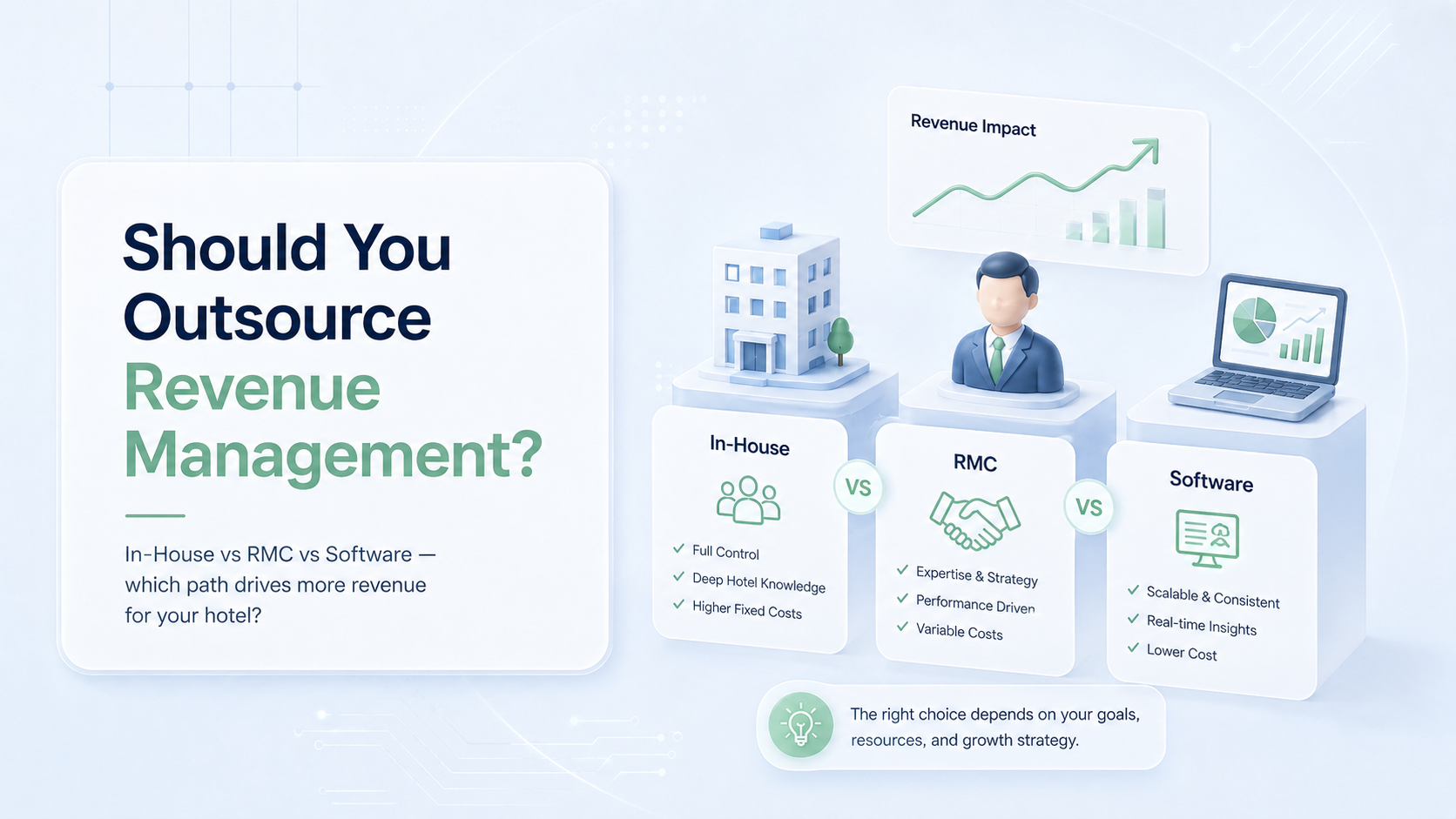
QUICK ANSWER — There are three models, not two: in-house (hire a revenue manager), RMC (retain a revenue management company), and software-enabled (equip your existing team with a revenue platform). Single properties under roughly 150 rooms without a dedicated RM are usually best served by an RMC or software. Portfolios past a handful of properties almost always need software regardless of who operates it — because an RMC runs on a platform too.
The revenue manager resigned in March. Since then the GM has been pricing between operations meetings, RevPAR has drifted, and the owner wants a plan. Hire a replacement at $90,000 plus benefits, retain a revenue management company for a monthly fee, or buy a platform and keep the work in-house — and every vendor you ask has a confident answer that happens to be the thing they sell.
If you run a revenue management company, our partner guide is here. This guide is for hotels deciding whether to hire one. We will lay out all three models, what each actually costs, and which fits which property — including the cases where the answer is not us.
Every RMC I spoke to said outsource. Every software vendor said buy software. Nobody asked how many properties I have or whether my GM wants the job.
Key takeaways
- It is not in-house versus outsourced. The third model — your existing team plus a platform — is the one most comparisons omit.
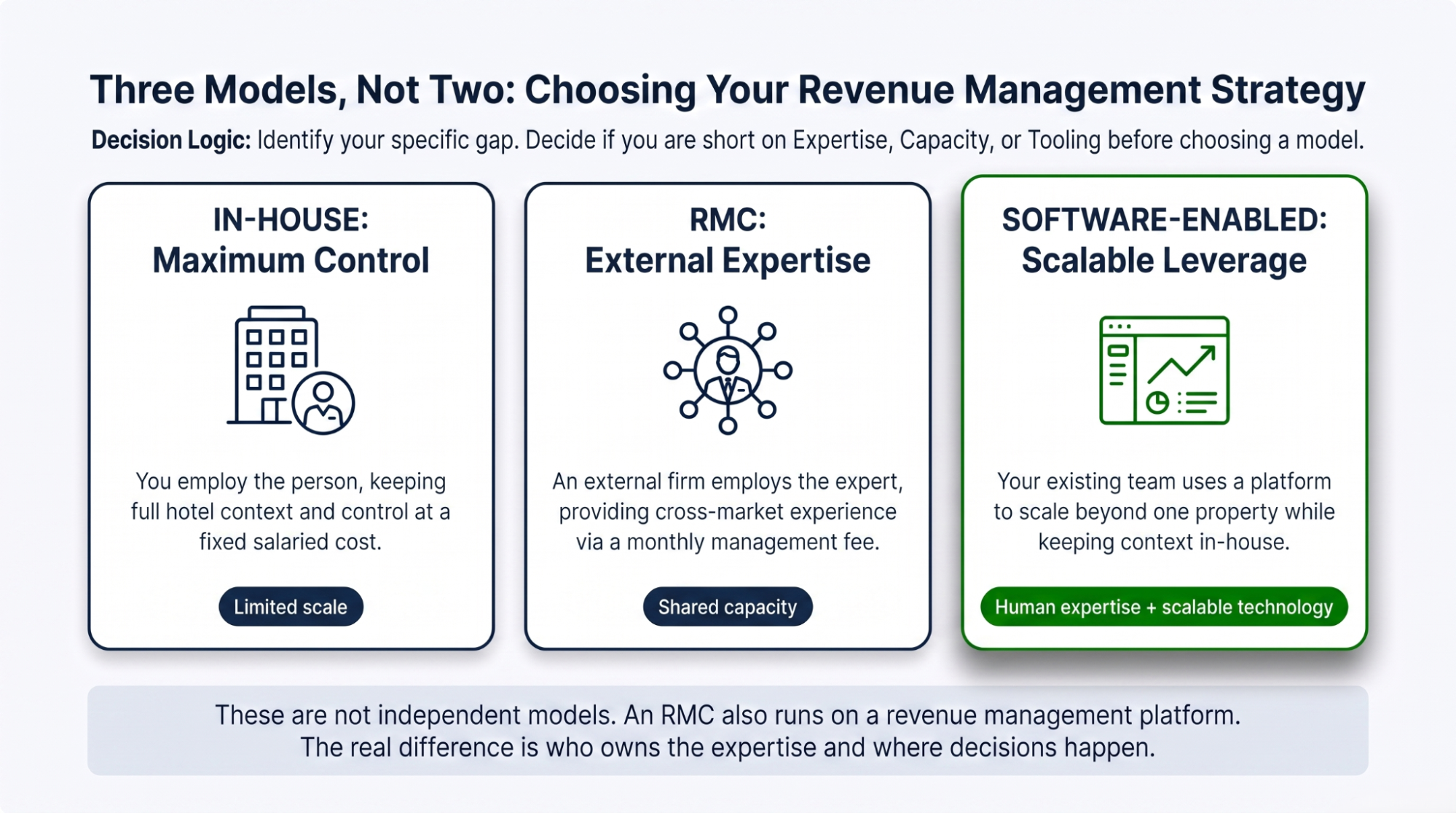
- The models are not independent. An RMC operates on revenue management software; you are choosing who runs the platform, not whether one exists.
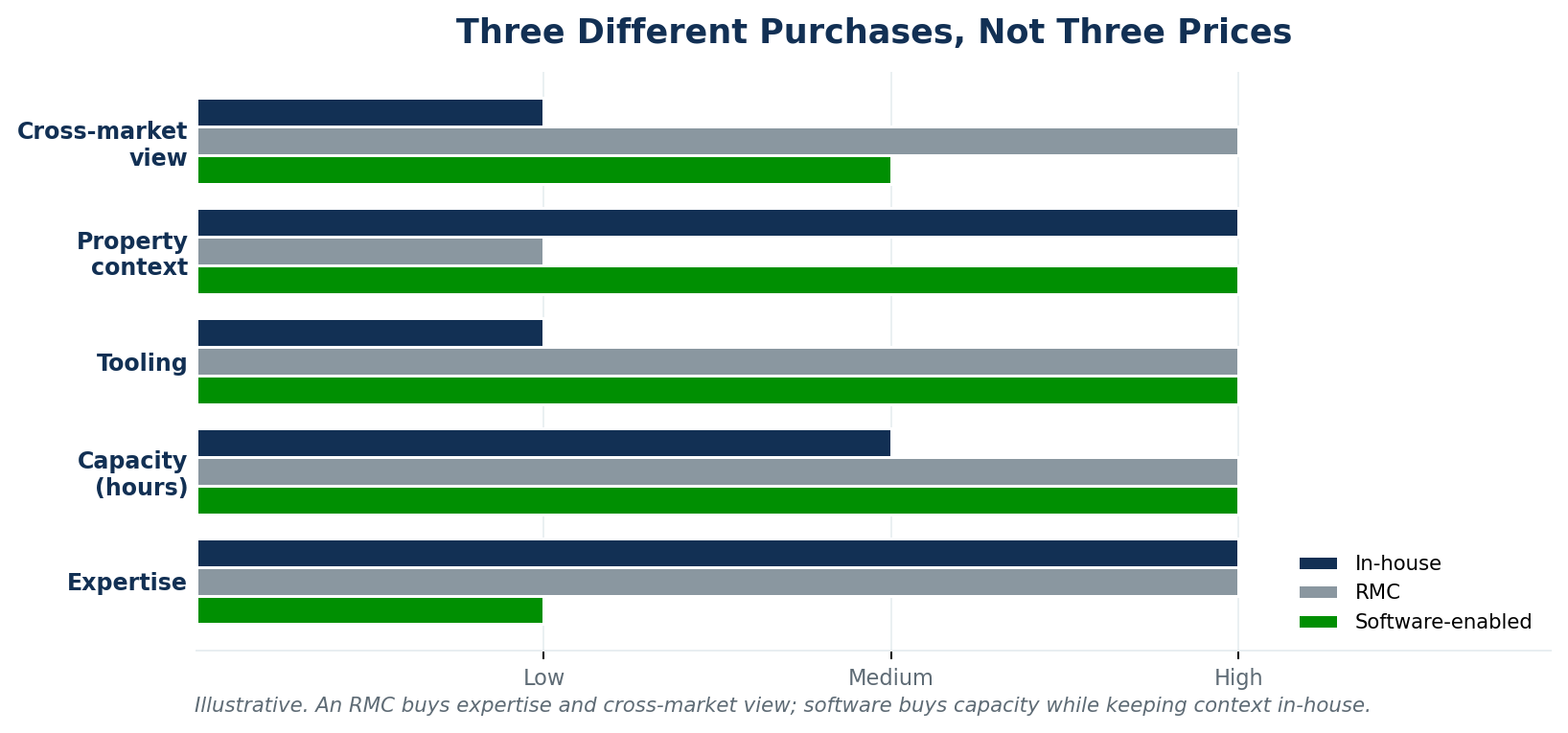
- Decide what you are short of. Expertise, capacity, and tooling are three different purchases, and each model sells a different mix.
- The cheapest option is rarely the deciding factor. An in-house RM at roughly $137k all-in can still be correct for a 300-room property.
- Hybrid is common and legitimate: an RMC for strategy, software for consistency, your team keeping property context.
A Note on Who Is Telling You This
Almost every article ranking for this question was written by a revenue management company, and reaches the conclusion that you should hire a revenue management company. That is not dishonesty; it is simply who bothers to write about it.
Our position is worth stating plainly so you can discount it appropriately. RevEvolve is a revenue management platform. We are used by hotels running revenue in-house, and we are also the platform a number of revenue management companies run their client portfolios on — one grew from 40 clients to 100 in eighteen months on it. That means we have no commercial reason to argue against outsourcing, and a genuine reason to explain when an RMC is the better answer. Where this guide is self-interested, it is in arguing that a platform belongs in all three models — which is true, but is also what we sell.
Three Models, Not Two
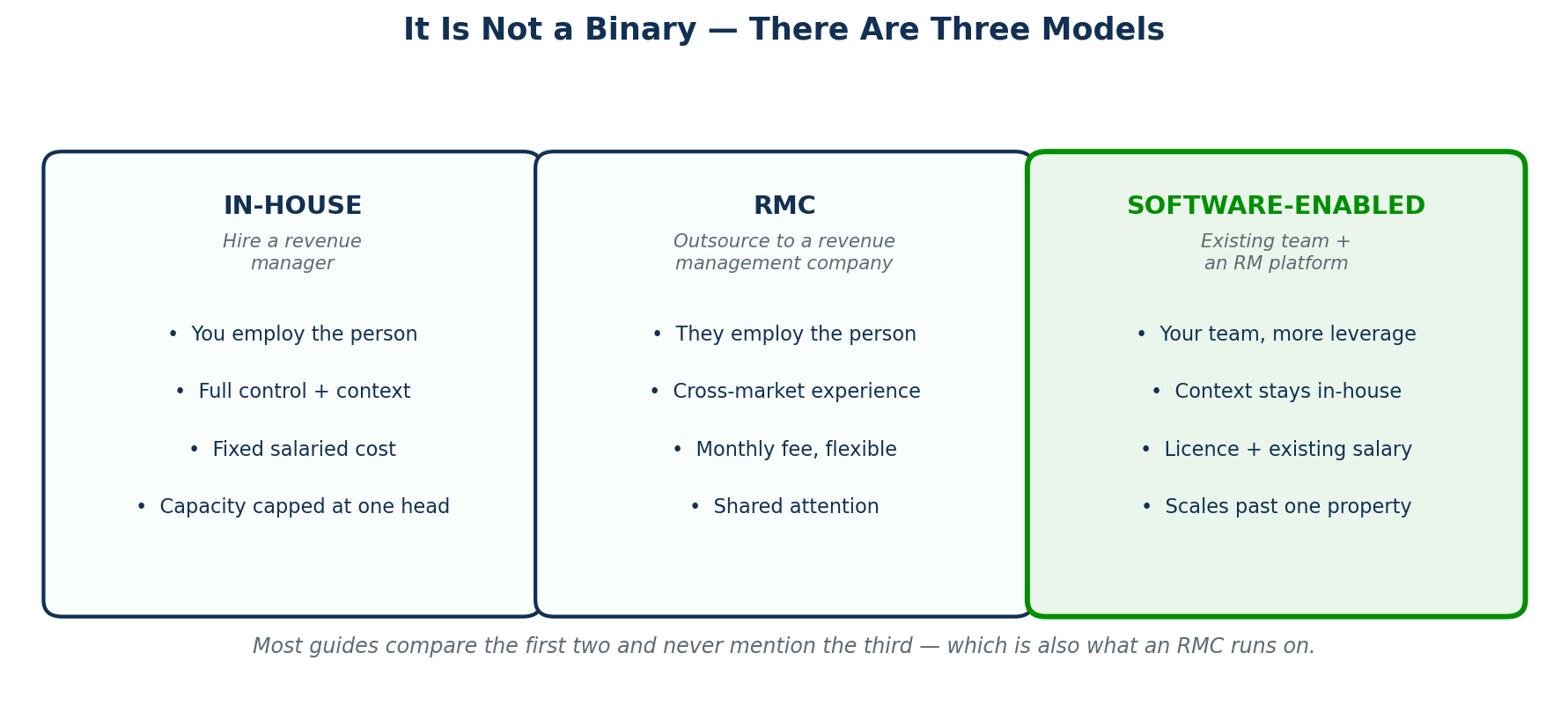
The standard framing is in-house versus outsourced, which forces a false choice and hides the option most properties actually end up with.
In-house
You employ a revenue manager. Maximum control and maximum property context: they sit in operations meetings, know the sales team, understand why last March was unusual. The constraint is capacity — one person, a practical ceiling of around seven to eight properties in a manual workflow, and a single point of failure when they resign or go on leave.
RMC (revenue management company)
You retain an external firm. You buy expertise immediately, without a hiring process, and you get cross-market perspective from a team working across many properties. The trade is attention and context: your property is one of several on that analyst’s list, and they will never absorb the informal knowledge an in-house person accumulates.
Software-enabled in-house
Your existing team — often the GM or a commercial manager — runs revenue with a platform doing the analysis. Lowest cost, keeps context in-house, and scales past one property. The constraint is that software supplies leverage, not judgment: someone still has to make and own the decisions, and if nobody has time or inclination, this model fails quietly.
Decide What You Are Actually Short Of
Before comparing prices, name the gap. Properties reach this decision for at least three different reasons, and the right answer differs for each.
| If you are short of… | The gap looks like | The model that closes it |
|---|---|---|
| Expertise | Nobody knows how to build a forecast or read a pickup report | RMC — or in-house hire if you can attract one |
| Capacity | Someone knows how, but has no hours | Software-enabled, or an RMC for overflow |
| Tooling | A competent RM working from spreadsheets | Software — the person is already there |
| Consistency across properties | Every hotel priced differently by different people | Software, whoever operates it |
| Continuity | One person holds everything and might leave | Software plus documented process; RMC as cover |
The most common mis-purchase is buying expertise when the shortage is capacity. A property with a capable GM who simply has no hours does not need an external analyst learning the market from scratch; it needs the analysis done for them so the person with the context can make the call. The reverse error is equally common: buying a platform for a team that has neither the time nor the training to use it, then concluding the software failed.
What Each Model Actually Costs
Published comparisons tend to quote a salary against a monthly fee and stop. The honest comparison includes what surrounds each option.
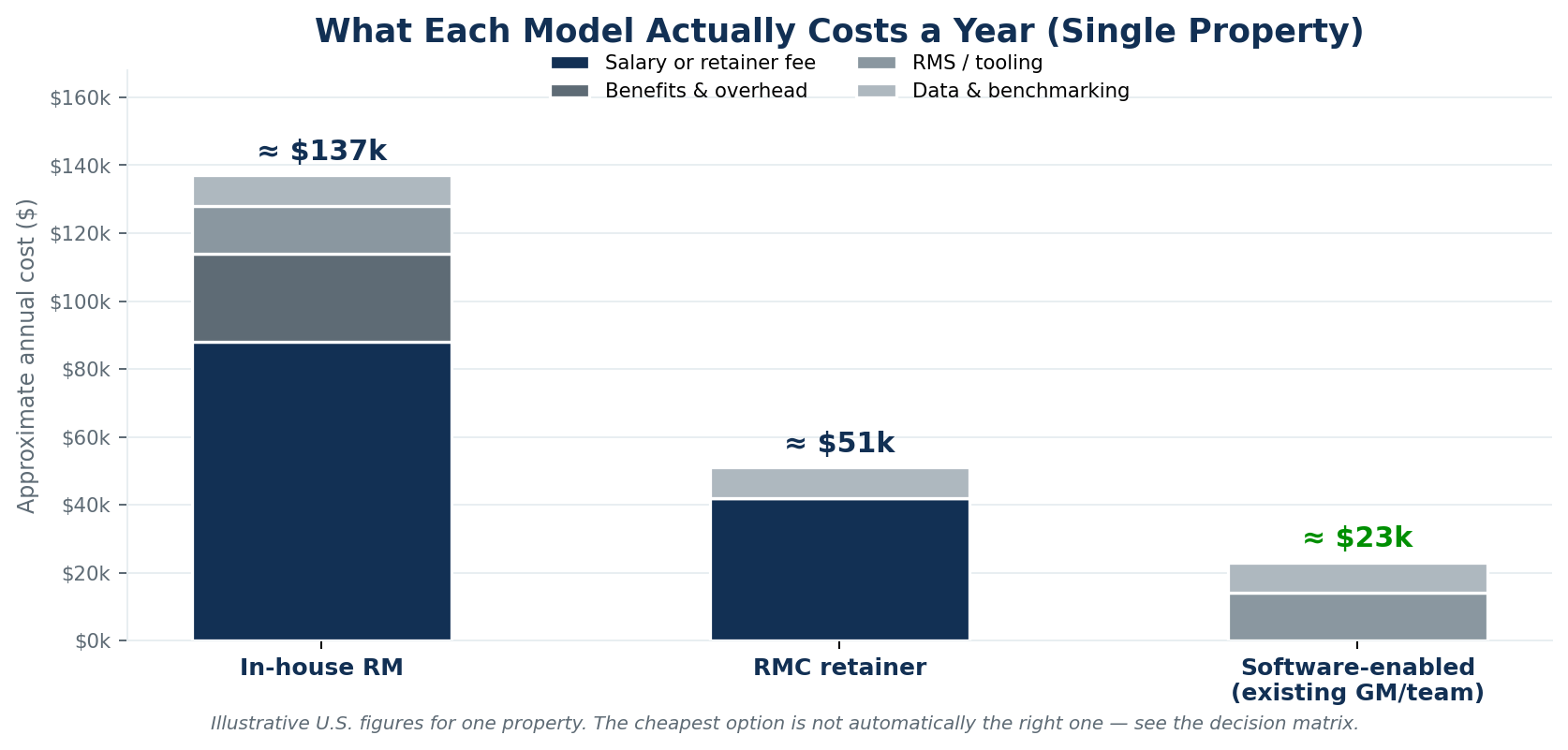
An in-house revenue manager is not just a salary. Add benefits and employment overhead, the revenue management system they will expect to work with, and the benchmarking data subscription. All-in, a single-property in-house function commonly lands well above the headline salary figure.
An RMC retainer usually bundles the tooling and often the benchmarking data, which is a genuine part of the value and one reason the retainer looks cheaper than a like-for-like comparison suggests. Confirm what is included rather than assuming; some retainers exclude data subscriptions entirely.
The software-enabled model carries the lowest incremental cost because the salary is already being paid — the GM or commercial manager exists whether or not you buy a platform. That is also its honest weakness: you are adding a responsibility to someone’s existing job, and if that person has no capacity, the low cost is illusory.
Which Model Fits Which Property
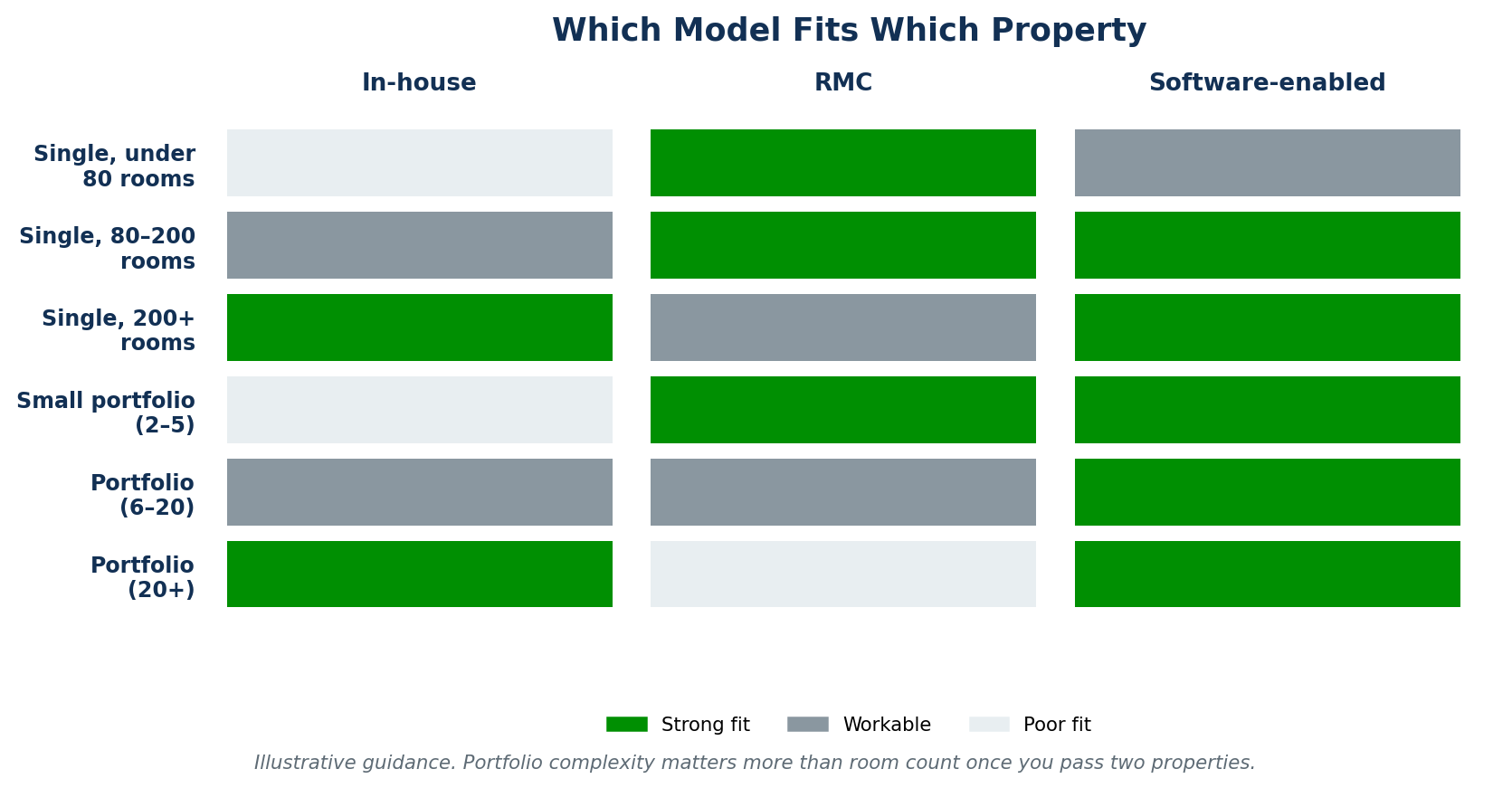
Room count matters less than most guides suggest once you pass a single property. Portfolio complexity is the stronger signal.
Single property under 80 rooms
An in-house revenue manager is difficult to justify against the revenue base. An RMC gives you expertise at a fraction of the cost, and software-enabled works if your GM has both the capacity and the inclination — which is a real question, not a formality.
Single property, 80–200 rooms
The genuine grey zone, and where most of this decision gets made. All three models are defensible. The deciding factors are whether you can attract and retain a competent RM in your market, and whether your existing team has the hours.
Single property, 200+ rooms
A dedicated in-house revenue manager usually pays for itself, particularly with meaningful group and corporate business where property relationships matter. Software supports rather than replaces that person.
Small portfolio, 2–5 properties
In-house becomes awkward — too much work for a shared resource, not enough to justify one per property. This is where RMCs and platforms both perform well, and where hybrid arrangements are most common.
Portfolio of 6+ properties
Software becomes close to non-negotiable, whoever operates it. The problem shifts from pricing individual hotels to maintaining consistency across them, and consistency is a systems problem rather than a staffing one. Past twenty properties, a manual approach does not scale at any headcount.
When an RMC Is the Right Answer
Worth stating clearly, because we do not sell one and can therefore be straightforward about it.
- You need expertise now. Hiring takes months. An RMC starts in weeks.
- Your market is hard to recruit in. Experienced revenue managers are scarce outside major markets, and an unfilled role is worse than an outsourced one.
- The revenue base will not carry a salary. Below a certain size the arithmetic simply does not work.
- You want cross-market perspective. An analyst working across twenty properties sees patterns a single-property RM cannot.
- You need coverage, not just capability. Firms cover holidays, illness, and departures; one employee does not.
- You are testing whether the discipline pays. A retainer is a far cheaper experiment than a hire you may have to unwind.
What to ask an RMC before signing
Which platform do they run on, and do you keep access to your own data and history if the relationship ends? How many properties does your analyst carry? Is the person on the sales call the person doing the work? What is the notice period, and what happens to configuration and rate strategy at exit? How is performance measured — against a baseline, an index, or a target somebody set optimistically?
When Outsourcing Is the Wrong Answer
Equally worth being direct about.
When the shortage is capacity, not expertise
If your GM understands revenue management and simply has no hours, an external analyst adds coordination overhead to solve a problem tooling would solve better — and the property context stays where it belongs.
When property context is decisive
Properties with heavy group business, complex corporate relationships, or unusual demand drivers depend on knowledge that lives in daily conversation. A remote analyst working from data alone is at a structural disadvantage.
When you are outsourcing to avoid a decision
Revenue management still requires someone internal who owns the outcome and can say yes or no. An RMC that recommends into a vacuum produces reports rather than results.
When the portfolio needs consistency more than expertise
Across many properties the binding problem is usually variance — different people applying different judgment. Adding an external team without a shared platform can widen the spread rather than close it.
The Hybrid Model Nobody Names
In practice a good number of properties end up with an arrangement that has no standard label: an RMC or consultant for strategy and periodic review, a platform providing daily analysis and consistency, and an internal owner — often the GM — making and applying the decisions with property context intact.
This is not indecision. It reflects that the three things you might be short of are genuinely separable. You can buy expertise periodically, capacity continuously, and keep judgment in-house. For small portfolios in particular it is frequently the strongest configuration, and it is almost never presented as an option because no single vendor sells all of it.
It is also, for what it is worth, how the RMC relationship works from our side: revenue management companies use RM Copilot to analyze demand and generate recommendations across their client portfolios, and their analysts review and apply the decisions. The leverage is what lets a firm carry substantially more clients per analyst than a manual workflow allows — one partner firm grew from 40 clients to 100 in eighteen months while operating this way.
How to Actually Decide
- Name the gap first. Expertise, capacity, tooling, consistency, or continuity — write it down before you take a vendor call.
- Model the true annual cost of each, including tooling and data in every column so the comparison is like-for-like.
- Ask who owns the decision internally. Every model needs an internal owner. If nobody has that capacity, fix it before buying anything.
- Check platform independence. Whichever route you take, confirm you retain your data and rate history if the arrangement ends.
- Set the measurement before you start. RGI against a defined comp set is the fairest basis, because it separates market movement from performance.
- Plan for the portfolio you expect, not the one you have. Switching models mid-growth is expensive and disruptive.
Where RevEvolve Fits in All Three
An in-house revenue manager uses RM Copilot to cover more properties than a manual workflow permits — the industry baseline sits around seven to eight properties per manual RM, against 22+ per seat with the platform doing the analysis. A GM running revenue alongside operations uses it to get the analysis done without becoming an analyst. And revenue management companies use it to serve more clients per person while their team keeps the client relationship and applies every decision.
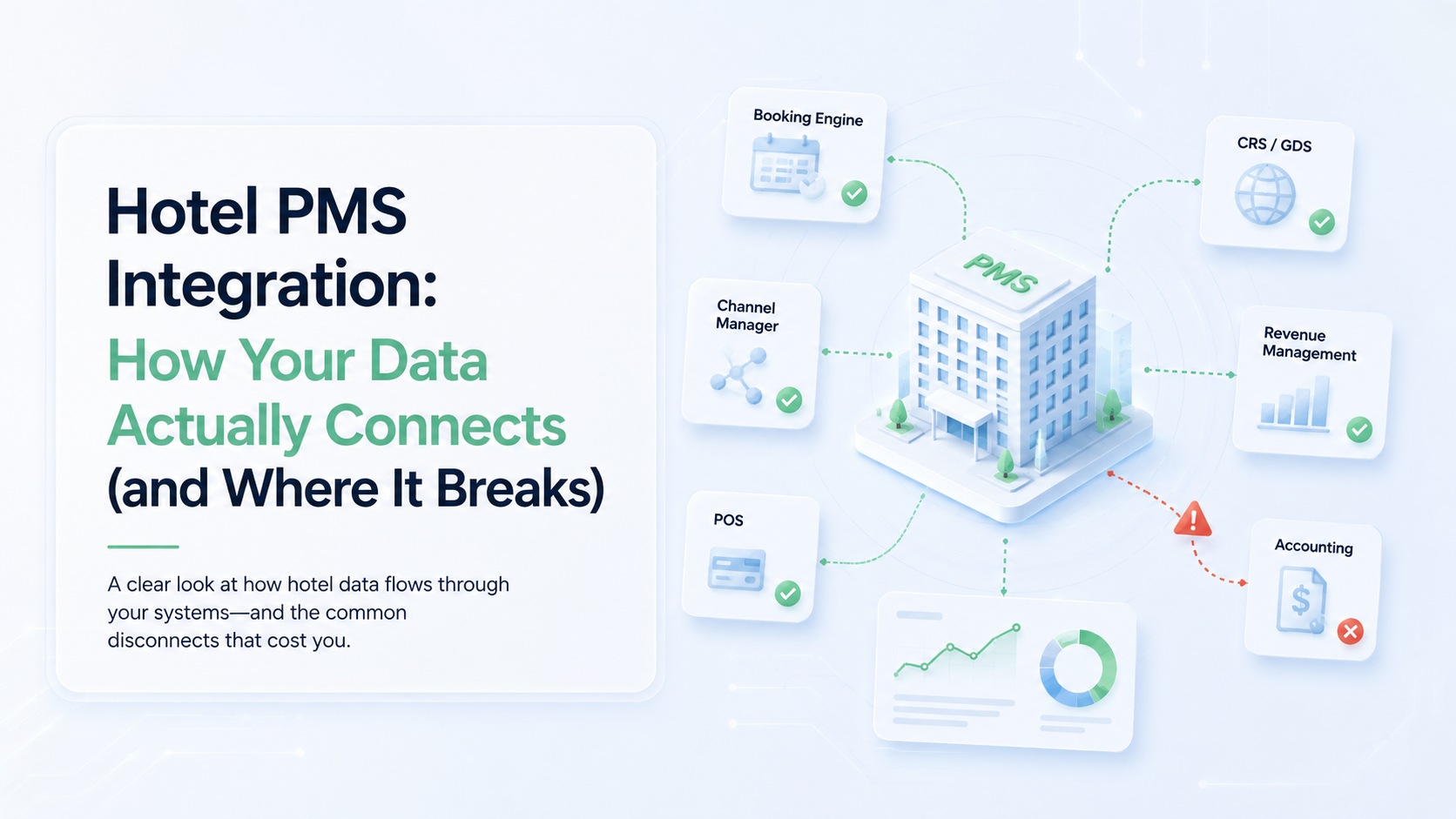
In every case the pattern is the same: the platform analyzes demand and pace across your PMS data, recommends pricing actions with the reasoning attached, and lets the team simulate the projected impact before committing. A person reviews the recommendation and applies it. What changes between models is who that person works for.
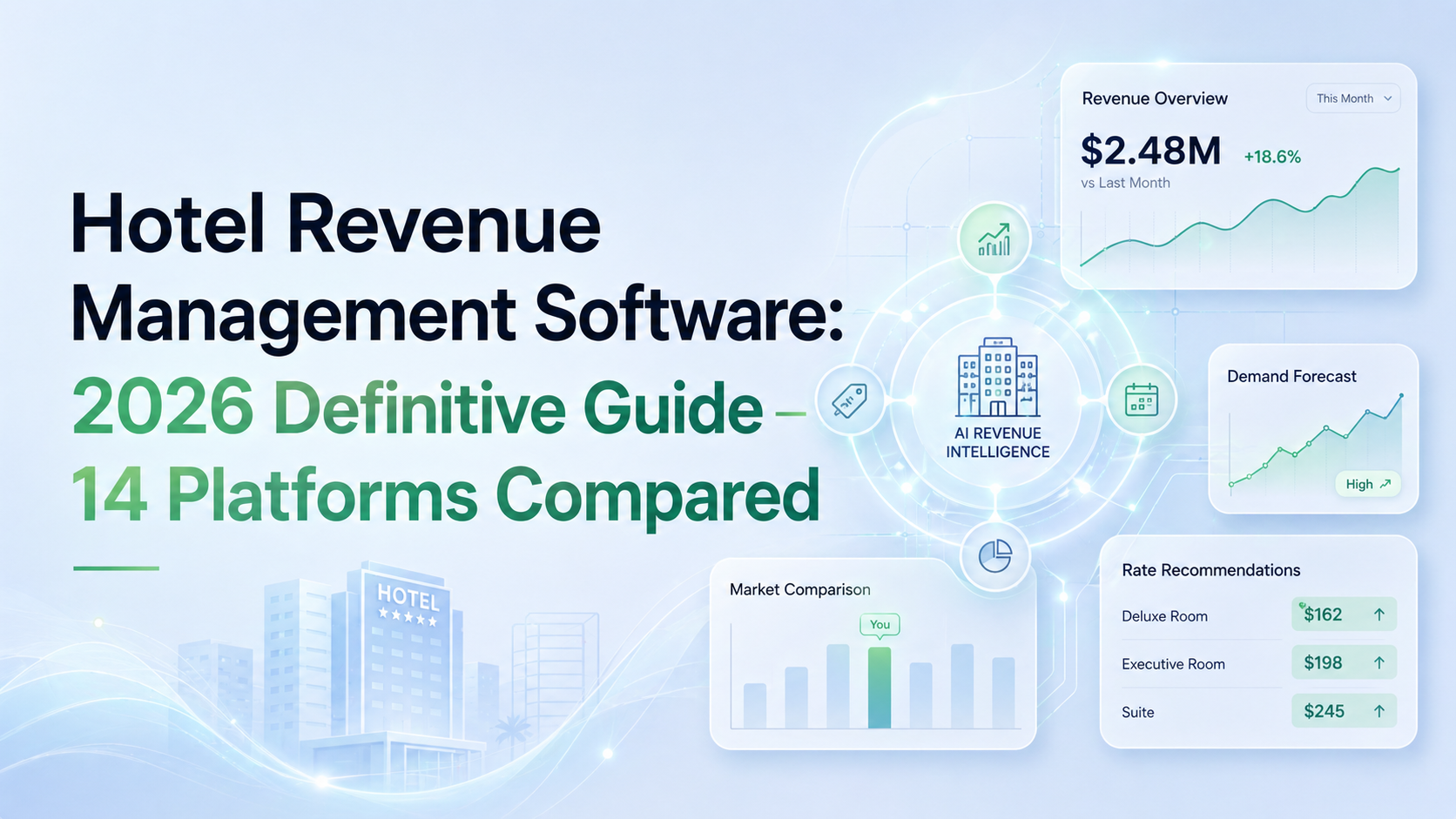
If you are still weighing platforms rather than models, our 2026 revenue management software guide compares 14 of them.
Worth separating two categories people conflate: some hospitality AI is guest-facing — chat and messaging that help you talk to travelers. RM Copilot is operator-facing, working with a revenue team on the pricing decision itself.
Questions From the Ownership Call
Keep going: 14 revenue management platforms compared · Partner guide for revenue management companies · What RM Copilot does.