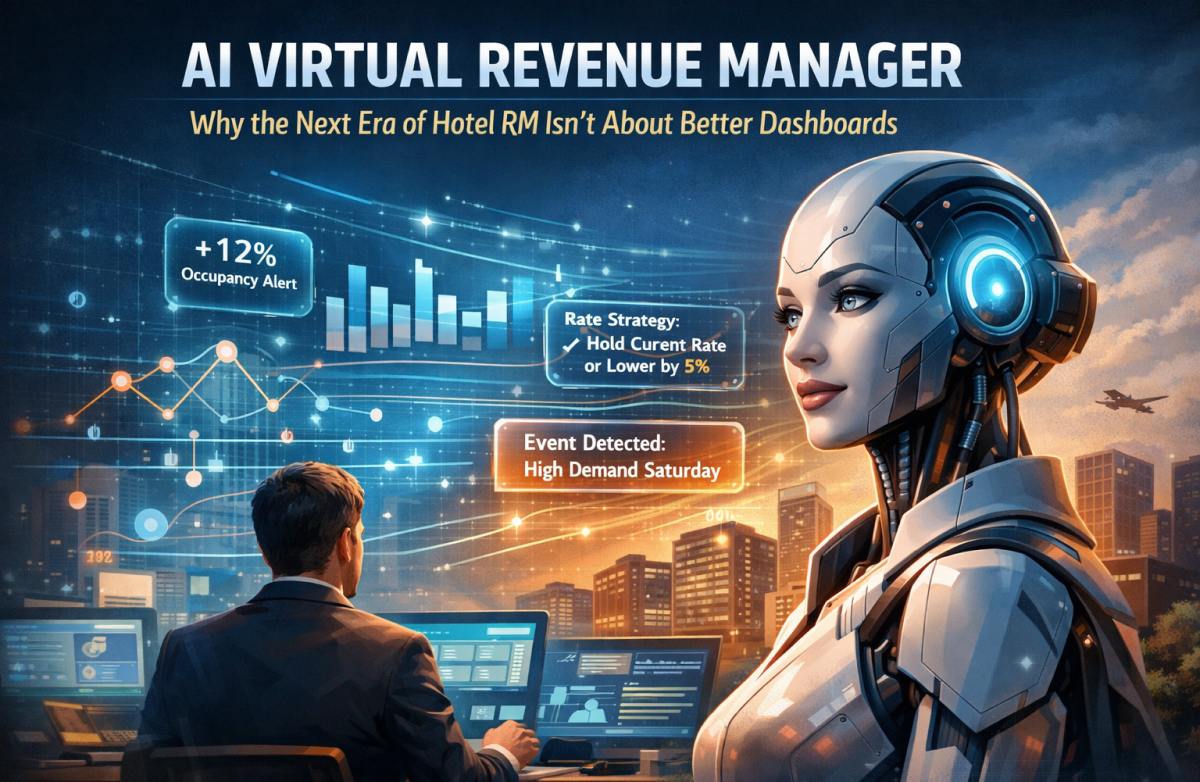


AI Virtual Revenue Manager: Why the Next Era of Hotel RM Isn’t About Better Dashboards
The next evolution in hotel revenue management isn’t a faster dashboard or a smarter pricing algorithm – it’s an AI…
Discover tailored revenue strategies that help
maximize occupancy, optimize pricing, and
boost profitability.
Get tips, insights, and expert advice to maximize performance.
Explore strategies, successes, and insights from real-world examples.
Get clear, step-by-step guidance to maximize the platform’s features and benefits.
Access comprehensive whitepapers packed with data-driven insights, expert analysis, and proven strategies to help you drive smarter decisions and sustainable revenue growth.
Explore expert insights, tips, and the latest trends in revenue management to boost your financial strategies and drive growth.
Revenue Management | Harikrishna Patel September 30, 2025
In the competitive world of hotel revenue management, dynamic pricing has become a critical strategy for maximizing revenue and staying ahead of the competition. Unlike static pricing, where room rates are fixed, dynamic pricing allows hoteliers to adjust room rates in real-time based on various factors like demand, occupancy, local events, and competitor pricing. This flexible pricing model ensures that hotels can optimize revenue, boost occupancy rates, and enhance profitability, no matter the time of year.
In this article, we will explore dynamic pricing in hotel revenue management in great detail. We’ll cover its definition, the importance of adopting this strategy, how it works, the best tools to implement it, and the impact on profitability. Along the way, we’ll discuss real-world examples, include expert insights, and dive into statistics that demonstrate why dynamic pricing is essential for hotel success.
Let’s explore this in-depth:
Dynamic pricing refers to the strategy of adjusting the prices of hotel rooms based on real-time data and market conditions. Unlike traditional fixed pricing models, where room rates stay the same regardless of demand, dynamic pricing changes with fluctuations in occupancy, demand, and other external factors. The goal is to maximize revenue by charging the right price at the right time for each guest.
Key Factors That Influence Dynamic Pricing:
In today’s competitive hospitality market, static pricing (where the room rate is set in stone) is no longer sufficient. Here’s why dynamic pricing has become indispensable for hotels:
Dynamic pricing helps hotels capture the full value of their rooms. By adjusting rates based on demand, hotels can increase prices during peak periods and still fill rooms during off-peak periods by lowering the rates. According to a report by Revinate, hotels that use dynamic pricing can increase their Revenue per Available Room (RevPAR) by up to 30%.
In the age of digital booking platforms like Booking.com and Airbnb, consumers can easily compare prices. Dynamic pricing allows hotels to remain competitive by adjusting their prices in real-time based on market conditions, keeping them at the forefront of potential guests’ minds.
Dynamic pricing can help you fill rooms that would otherwise remain empty. By lowering rates during periods of low demand, hotels can encourage bookings, even if the rate is lower than usual. This strategy ensures that revenue is maximized during slower times.
Dynamic pricing relies on data, and as you collect more data, your pricing strategies become more informed and effective. It’s not just about reacting to fluctuations; it’s about predicting them and setting prices accordingly.
The Algorithm Behind Dynamic Pricing
At the heart of dynamic pricing is an algorithm that evaluates various data points and automatically adjusts prices. These algorithms are powered by Revenue Management Systems (RMS), which take into account factors such as:
Adopting dynamic pricing can offer numerous advantages to hotels of all sizes. Here’s how it benefits the hospitality industry:
By adjusting prices according to demand, hotels can maximize their revenue. For instance, a hotel in New York City may charge $250 per night during normal weekdays, but during peak demand periods (like New Year’s Eve or during a fashion week), the rate could increase to $500 or more.
If occupancy is low, dynamic pricing allows hotels to lower rates to attract guests, ensuring rooms don’t remain empty. Lowering rates in slow months can generate more bookings and prevent significant revenue loss.
Using a dynamic pricing strategy helps you plan better for the future. By analyzing historical data and predicting demand patterns, hoteliers can make better decisions and optimize pricing in the future.
Choosing the right dynamic pricing software can make all the difference. These tools use data and analytics to adjust room rates in real-time, optimizing revenue.
Here’s a list of some of the best dynamic pricing tools for hotels:
| Tool Name | Key Features | Best For |
|---|---|---|
| RoomRaccoon | Automates pricing based on demand, occupancy, and market trends | Small to mid-sized hotels |
| RevPAR Guru | Real-time competitor tracking and market trend analysis | Hotels looking for granular pricing data |
| PriceMatch | Machine learning algorithms for real-time pricing adjustments | Hotels with large room inventories and complex needs |
| Oracle Hospitality | Predictive analytics, demand forecasting, and pricing flexibility | Large hotels and chains with complex pricing needs |
| Hotelogix | PMS integration and dynamic rate management | Small to medium hotels with a focus on ease of use |
Why Use These Tools?
Revenue management systems are essential for automating pricing decisions, saving time and effort. With the right tools, hotels can:
Looking for the best dynamic pricing solution? Check out Revevolve.ai – AI Hotel Revenue Management Tool—an innovative platform designed to automate and optimize your hotel pricing in real-time.
Before you start adjusting prices, establish clear rules. For example:
Regularly check competitors’ rates to stay competitive. Many dynamic pricing tools offer this feature, providing real-time insights into what competitors are charging for similar rooms.
Different customer segments may react to price changes differently. Business travelers might book at higher rates during weekdays, while families might prefer budget-friendly rates during weekends or holidays. Segmentation allows you to tailor your pricing strategy based on customer preferences.
Implement demand-based pricing, where prices increase when demand is high (such as during peak season) and decrease when demand drops (such as in off-peak months). This method ensures you maximize revenue during times of strong demand while filling rooms during slower periods.
While dynamic pricing offers significant advantages, it’s not without its challenges. Here are some common hurdles and how to address them:
Customers may feel that prices are unfairly high, especially during peak times. To mitigate this:
Dynamic pricing can be complex, especially for hotels with multiple room categories or multiple locations. To overcome this:
Rapid price changes can confuse customers. To avoid this:
Dynamic pricing has a direct impact on hotel profitability. By ensuring that room rates are adjusted in real time to reflect demand, occupancy, and market conditions, hotels can significantly increase their bottom line.
Statistics on Dynamic Pricing in Hotels:
Dynamic pricing can influence customer loyalty if not handled correctly. Here are some ways to ensure customers don’t feel taken advantage of:
Always explain why prices fluctuate. For example, you can inform guests that prices are higher due to high demand for rooms during a festival or holiday.
Offer price guarantees to provide customers peace of mind. This can help mitigate the feeling of being “charged unfairly” if prices increase post-booking.
When implementing dynamic pricing, it’s essential to follow certain best practices to ensure the system works effectively and does not alienate your customers. Here are some tried-and-tested strategies that can help hotels succeed with dynamic pricing:
Customers often feel frustrated when prices change unexpectedly. To manage this, be transparent about how and why prices fluctuate. For example, inform guests that prices may increase during high-demand periods like local events or peak season. Clear communication builds trust and helps customers feel confident about their booking.
Dynamic pricing can sometimes lead to pricing volatility, so it’s important to set rules for when and how rates will be adjusted. For instance:
Different types of customers have different price sensitivities. Segmenting your market based on factors like booking lead time, seasonality, and customer type can help you optimize pricing. For instance, business travelers may be less price-sensitive, whereas families on vacation may look for discounts.
Dynamic pricing is only effective if it’s driven by accurate and reliable data. Using historical booking data, competitor pricing information, and real-time demand forecasts will allow you to anticipate demand spikes and adjust prices accordingly.
Dynamic pricing is not a “set and forget” strategy. To refine your pricing model, test different pricing strategies regularly and monitor their impact. This helps you understand what works and adjust your pricing rules to maximize both occupancy and revenue.
Dynamic pricing is being successfully applied across the hotel industry, especially in high-traffic locations and global hotel chains. Here are a few real-world examples of how dynamic pricing has been implemented and its impact on hotel profitability:
Example 1: Luxury Hotels During Major Events
A luxury hotel located in Las Vegas implements dynamic pricing based on real-time event calendars. During major events like CES (Consumer Electronics Show) or E3 (Electronic Entertainment Expo), the hotel adjusts room rates by up to 300% compared to standard prices. This maximizes their revenue during these periods when demand exceeds supply. As a result, the hotel fills nearly every room during these events while charging premium prices for guests who book last-minute.
Example 2: Budget Hotels with Seasonal Pricing
A budget hotel chain in a popular beach destination like Miami uses dynamic pricing to adjust rates based on seasonality. During peak summer months, the hotel increases prices due to the influx of tourists, while in the winter months, the rates are lowered to attract more visitors. This pricing flexibility helps ensure high occupancy even during off-peak periods.
Example 3: Airbnb and Vacation Rentals
Many Airbnb hosts use dynamic pricing tools to adjust rates based on local demand, events, or holidays. For example, a host in Paris during Fashion Week might raise the price of their property to reflect higher demand, whereas during quieter months, the host might lower the price to encourage bookings. By leveraging dynamic pricing, the host can ensure they earn maximum revenue without sacrificing occupancy.
These examples demonstrate how dynamic pricing adapts to market conditions, allowing hotels and short-term rentals to remain competitive and profitable in different demand environments.
1. How does dynamic pricing affect customer loyalty?
Dynamic pricing can impact customer loyalty if not handled transparently. Customers may feel frustrated by sudden price changes if they are not informed. The key is to provide clear communication about why prices fluctuate, such as during peak demand or special events. Offering price guarantees or discounts for repeat customers can also help mitigate any negative impact on loyalty.
2. Can small hotels benefit from dynamic pricing?
Absolutely! Small hotels can leverage dynamic pricing just as effectively as large ones. By using Revenue Management Systems (RMS) and tools to adjust rates in real-time, small hotels can optimize occupancy, compete with nearby properties, and boost profitability. Small hotels especially benefit from adjusting prices during slow seasons to attract guests.
3. How do I know if dynamic pricing is working for my hotel?
Success with dynamic pricing can be tracked through metrics like Revenue per Available Room (RevPAR), Average Daily Rate (ADR), and Occupancy Rate. If these metrics improve over time, dynamic pricing is likely having a positive impact. Regular testing, monitoring, and adjusting based on data and market trends will help refine your strategy for optimal performance.
4. Is dynamic pricing the same as surge pricing?
While surge pricing is a form of dynamic pricing, it typically refers to price increases in response to sudden high demand (like during a concert or festival). Dynamic pricing, however, is more comprehensive and involves adjusting prices regularly based on factors such as occupancy levels, demand, and competition, not just unexpected demand spikes.
In today’s competitive hospitality market, dynamic pricing is essential for maximizing revenue, improving occupancy rates, and staying competitive. By adjusting room rates in real-time based on market conditions, hoteliers can ensure that they are charging the right price at the right time. While it comes with challenges, the right tools and strategies can make dynamic pricing work seamlessly, offering significant financial benefits for hotels of all sizes.
Dynamic pricing is more than just a pricing strategy—it’s a way of optimizing your hotel’s potential. From small independent hotels to large luxury resorts, every hotel can benefit from implementing dynamic pricing strategies. Start leveraging this powerful tool today, and you’ll not only see improvements in your bottom line, but you’ll also stay ahead of the competition.
Share onHarry Sheta is a hospitality technology entrepreneur focused on helping hotels make faster, smarter revenue decisions. As Co-Founder of Hotel Switchboard and the driving force behind RevEVOLVE, he works closely with hoteliers, revenue managers, and management companies to modernize how pricing, forecasting, and portfolio insights are delivered.
Revenue Management 26 Mar 2026
Revenue Management 09 Mar 2026
AI-Driven Strategy 03 Mar 2026
Market Insights 16 Feb 2026
Revenue Management 30 Jan 2026
Revenue Management 27 Jan 2026
Revenue Management 19 Jan 2026
Revenue Management 12 Jan 2026
Revenue Management 29 Dec 2025
Revenue Management 19 Dec 2025
The next evolution in hotel revenue management isn’t a faster dashboard or a smarter pricing algorithm – it’s an AI…
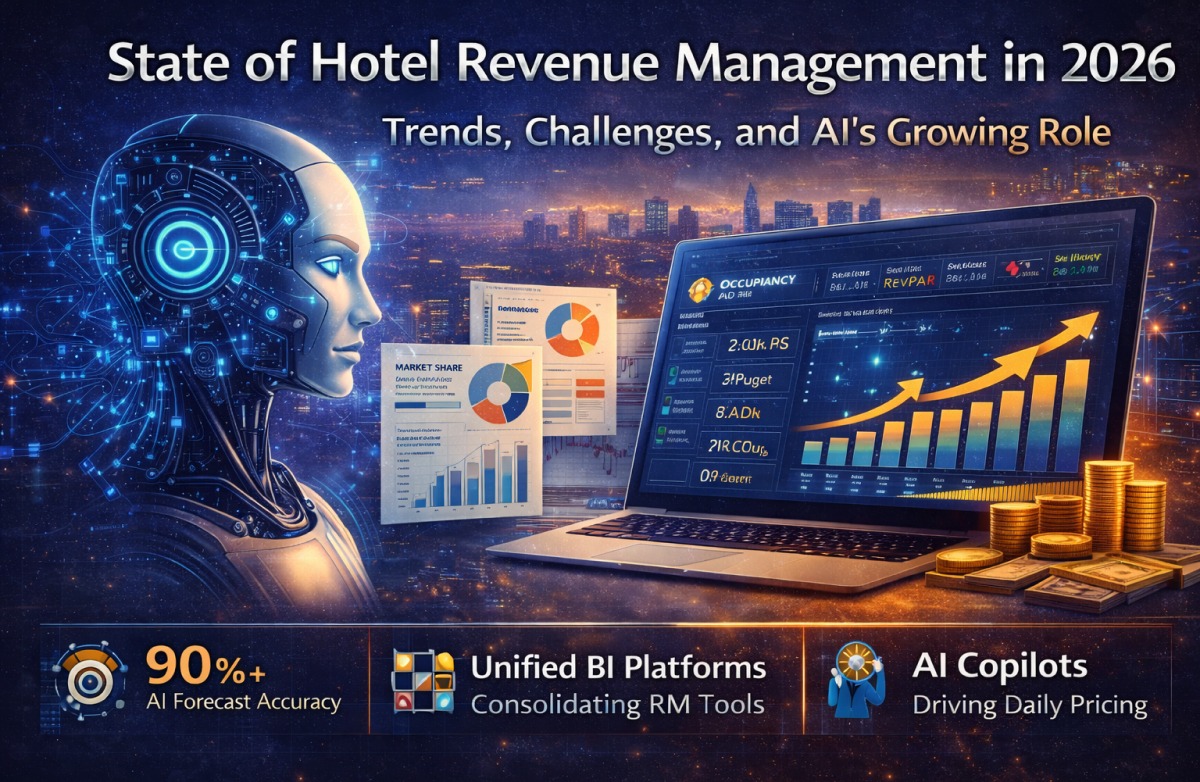
Hotel revenue management in 2026 is defined by three fundamental shifts: AI-powered demand forecasting now achieves accuracy rates exceeding 90%,…
Los Angeles will host eight FIFA World Cup 2026 matches at SoFi Stadium, including the USA’s opening match against Paraguay…
Join the ranks of successful hoteliers who are leveraging AI to maximize their revenue. Get started today and see the difference our solution can make.