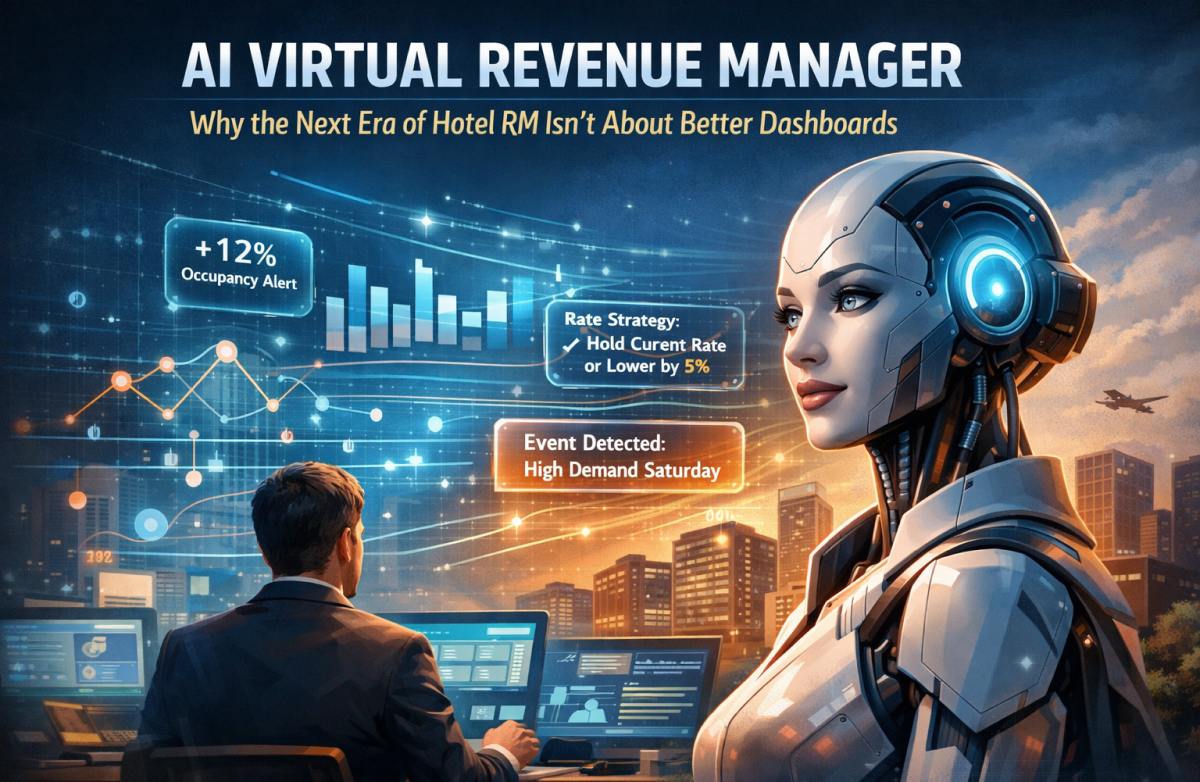


AI Virtual Revenue Manager: Why the Next Era of Hotel RM Isn’t About Better Dashboards
The next evolution in hotel revenue management isn’t a faster dashboard or a smarter pricing algorithm – it’s an AI…
Discover tailored revenue strategies that help
maximize occupancy, optimize pricing, and
boost profitability.
Get tips, insights, and expert advice to maximize performance.
Explore strategies, successes, and insights from real-world examples.
Get clear, step-by-step guidance to maximize the platform’s features and benefits.
Access comprehensive whitepapers packed with data-driven insights, expert analysis, and proven strategies to help you drive smarter decisions and sustainable revenue growth.
Explore expert insights, tips, and the latest trends in revenue management to boost your financial strategies and drive growth.
Integration | Harikrishna Patel February 22, 2024
In the competitive world of hospitality, understanding and catering to your customers’ unique needs is key to maximizing revenue and enhancing guest satisfaction. Effective customer segmentation allows hotels to target distinct groups with tailored marketing strategies, personalized offers, and optimized pricing. By segmenting your customer base, you can improve engagement, increase bookings, and boost overall profitability. Here’s how you can implement effective customer segmentation for revenue optimization.
Customer segmentation is the process of dividing your customer base into distinct groups based on shared characteristics. These segments can be based on various factors, such as demographics, behavior, preferences, and booking patterns. The goal is to create targeted strategies that address the specific needs and preferences of each segment, leading to more effective marketing and revenue optimization.
Collecting and analyzing data from various sources, such as your property management system (PMS), customer relationship management (CRM) system, booking channels, and guest feedback, is essential for effective segmentation. Once you have gathered this data, create detailed profiles for each segment based on demographics, preferences, behaviors, and booking patterns. Use these profiles to develop targeted marketing strategies and personalized offers.
Tailor your pricing strategies and promotions to each segment. Dynamic pricing can be adjusted based on segment-specific demand and booking patterns, offering early-bird discounts for advanced bookings or exclusive deals for repeat customers. Enhance the guest experience by personalizing services and amenities according to each segment’s preferences. For instance, offer personalized welcome amenities for high-value guests or create family packages with kid-friendly activities.
Continuously monitor the performance of your segmentation strategies. Track metrics such as booking rates, revenue per segment, and customer satisfaction to gauge effectiveness. Use this data to refine your approach and optimize results.
Effective customer segmentation offers numerous advantages, including increased revenue through targeted offers and optimized pricing, enhanced guest satisfaction through personalized experiences, improved marketing efficiency with more focused campaigns, and a competitive advantage by differentiating your hotel from others in the market.
Luxury hotels might segment their customers into high-net-worth individuals, honeymooners, and corporate clients, offering exclusive packages and bespoke services tailored to each group. Family-friendly hotels could create segments based on family size and children’s ages, providing customized family packages and kid-friendly amenities. Business hotels might target frequent business travelers, event organizers, and corporate groups with specialized amenities and loyalty rewards.
Effective customer segmentation is a powerful tool for revenue optimization in the hospitality industry. By understanding and catering to the unique needs of different customer segments, hotels can enhance guest satisfaction, increase bookings, and boost revenue. Implementing a data-driven approach to customer segmentation enables hotels to create targeted marketing strategies, personalize guest experiences, and stay ahead in a competitive market. Embrace customer segmentation to unlock new revenue opportunities and drive long-term success.
Share onHarry Sheta is a hospitality technology entrepreneur focused on helping hotels make faster, smarter revenue decisions. As Co-Founder of Hotel Switchboard and the driving force behind RevEVOLVE, he works closely with hoteliers, revenue managers, and management companies to modernize how pricing, forecasting, and portfolio insights are delivered.
Revenue Management 26 Mar 2026
Revenue Management 09 Mar 2026
AI-Driven Strategy 03 Mar 2026
Market Insights 16 Feb 2026
Revenue Management 30 Jan 2026
Revenue Management 27 Jan 2026
Revenue Management 19 Jan 2026
Revenue Management 12 Jan 2026
Revenue Management 29 Dec 2025
Revenue Management 19 Dec 2025
The next evolution in hotel revenue management isn’t a faster dashboard or a smarter pricing algorithm – it’s an AI…

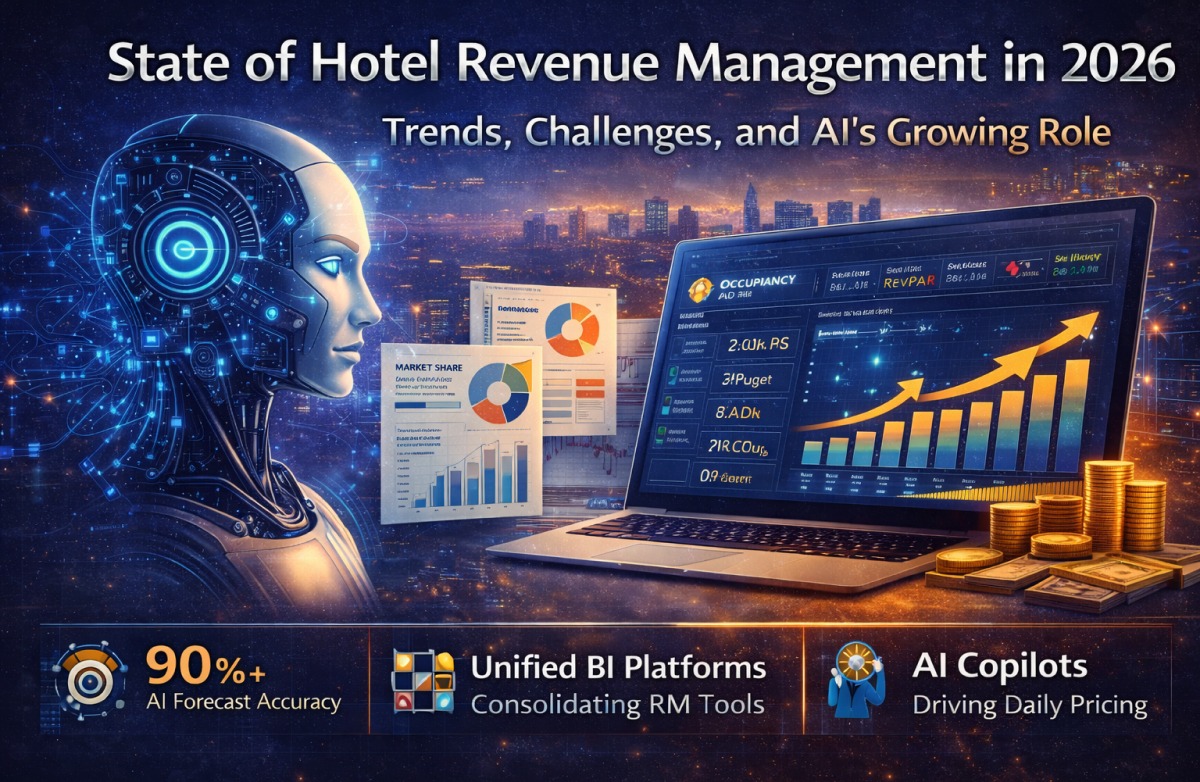
Hotel revenue management in 2026 is defined by three fundamental shifts: AI-powered demand forecasting now achieves accuracy rates exceeding 90%,…
Los Angeles will host eight FIFA World Cup 2026 matches at SoFi Stadium, including the USA’s opening match against Paraguay…
Join the ranks of successful hoteliers who are leveraging AI to maximize their revenue. Get started today and see the difference our solution can make.